skip to main content

Flag of Thailand Thai Passport: Validity, Application Process, Types, and Features

The Thai passport is the official travel document issued to citizens of the Kingdom of Thailand for international travel and proof of nationality. It is issued by the Department of Consular Affairs under Thailand’s Ministry of Foreign Affairs. With a valid passport, Thai citizens can travel abroad, return to Thailand, and seek assistance from Thai embassies and consulates overseas when necessary.

Modern Thai passports incorporate biometric technology to strengthen identity verification and document security. All passports currently issued by Thailand are electronic passports (e-passports) that contain an embedded microchip storing personal and biometric information. These documents comply with standards established by the International Civil Aviation Organization (ICAO), allowing them to be recognized and processed efficiently at immigration checkpoints around the world.

Historical Background

Thailand has issued travel documents to its citizens for well over a century, reflecting the country’s long-standing engagement with international travel and diplomacy. Early forms of Thai travel documents began appearing in the late nineteenth and early twentieth centuries as the country expanded its diplomatic and commercial ties with other nations.

After World War II, Thailand gradually modernized its passport system to align with evolving international aviation and immigration practices. Machine-readable passports were introduced during the late twentieth century, helping standardize travel documentation and simplify border procedures.

A major technological step came in 2005 when Thailand introduced biometric electronic passports. These passports included an embedded chip containing the holder’s digital photograph and identifying information, improving security and reducing the risk of document forgery. Since then, the design and security features of Thai passports have been updated several times to maintain international reliability and durability.
Issuing Authority and Legal Framework

Thai passports are issued and administered by the Department of Consular Affairs under the Ministry of Foreign Affairs. Passport service offices operate throughout Thailand, while Thai embassies and consulates abroad provide passport services to citizens living overseas.

Under Thai law, a passport remains the property of the Government of Thailand. Authorities may refuse to issue, suspend, or revoke a passport in certain circumstances, such as incomplete documentation, violations of passport regulations, or legal restrictions affecting the applicant.

Applicants are required to provide accurate personal information and supporting documentation during the application process. Misuse or falsification of passport information may result in legal consequences under Thai regulations.

Validity of the Thai Passport

The validity period of a Thai passport depends on the age of the holder:

  • Citizens aged 20 years and above: passport valid for 10 years
  • Citizens under 20 years of age: passport valid for 5 years

Travelers are advised to renew their passports before expiration, particularly when planning international travel. Many countries require a passport to remain valid for at least six months beyond the intended date of entry.

Thai Passport Cover
Thai Passport Cover

Key Features and Design

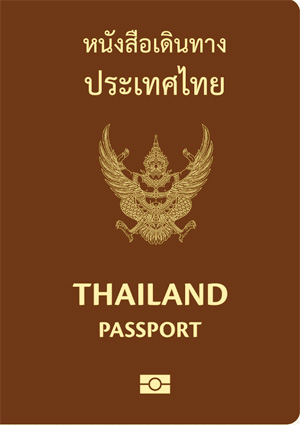
The Thai passport has a dark maroon cover displaying the Garuda emblem, the national symbol of Thailand. The cover also includes the words “Kingdom of Thailand” and “Passport” in both Thai and English.

Inside the passport, the pages feature illustrations reflecting Thailand’s culture, heritage, and national identity. The biodata page contains the holder’s photograph, passport number, personal details, and machine-readable zone used by immigration systems.

Biometric Technology

All Thai passports issued today are biometric e-passports equipped with a secure microchip embedded within the document. The chip stores essential identity data used for verification at border checkpoints.

The information stored in the chip typically includes:

  • Digital facial photograph of the holder
  • Personal identification details
  • Biometric identifiers

This technology supports automated immigration systems and helps improve the reliability of identity verification during international travel.

Security Measures

Thai passports include multiple security features designed to prevent counterfeiting and unauthorized alterations. These protections include:

  • Polycarbonate biodata page with laser engraving
  • Holographic security elements
  • Ultraviolet-visible security markings
  • Microprinting and detailed design patterns
  • Tamper-resistant materials and printing techniques

These features allow immigration authorities to verify the authenticity of the document quickly and accurately.

Types of Thai Passports

Thailand issues several categories of passports depending on the purpose of travel and the status of the passport holder.

  • Ordinary Passport – Issued to Thai citizens traveling abroad for tourism, education, employment, or business.
  • Diplomatic Passport – Issued to diplomats and senior government officials representing Thailand on diplomatic missions.
  • Official Passport – Provided to government employees traveling overseas on official state assignments.
  • Temporary Passport – Issued in certain urgent situations when immediate travel is required.

When One May Apply for a Passport

Thai citizens may apply for a passport in several situations, including:

  • First-time passport applications
  • Passport expiration or approaching expiry
  • Passport pages becoming fully used
  • Lost or damaged passports
  • Replacement due to changes in personal information

Applications can be submitted at passport offices across Thailand or through Thai embassies and consulates abroad.

Application Process

Applying Within Thailand

Applicants residing in Thailand may apply at passport service offices operated by the Department of Consular Affairs. The process generally involves submitting identification documents, providing biometric data such as fingerprints and photographs, and completing the required application forms.

Biometric information is collected to confirm the identity of the applicant and ensure the integrity of the passport system.

Applicants Residing Overseas

Thai citizens living abroad may apply for a passport through the Thai embassy or consulate in their country of residence. These missions collect the application materials and forward them to the Ministry of Foreign Affairs in Thailand for processing before the passport is issued and delivered.

Required Documents

Applicants are typically required to provide the following documents when applying for a Thai passport:

  • Thai national identification card
  • House registration document (Tabien Baan) or other proof of identity
  • Previous passport (if renewing)
  • Additional documentation if personal information has changed

Documentation requirements may vary depending on the applicant’s circumstances.

Processing Time

Processing times vary depending on where the passport application is submitted.

Within Thailand

  • Passports are generally issued within two to three working days after the application is completed at a passport office.

Overseas Applications

  • Applications submitted through Thai embassies or consulates typically take two to four weeks, depending on processing and transmission time.

Applicants are usually notified once the passport is ready for collection.

Responsibilities of Passport Holders

Thai passport holders are responsible for safeguarding their passports and using them only for lawful travel. If a passport is lost, stolen, or damaged, the holder should report the incident promptly to the relevant authorities or to the nearest Thai embassy or consulate.

Repeated loss of passports may lead to additional scrutiny when applying for replacement documents. Altering or misusing a passport is considered a serious offense under Thai law and may result in legal penalties.

A Symbol of National Identity

Over time, the Thai passport has developed from a simple travel document into a secure biometric identification tool. Its modern design and security features reflect Thailand’s ongoing efforts to maintain international travel standards while protecting the identity of its citizens.

For Thai citizens traveling abroad, the passport serves not only as a document for crossing borders but also as a representation of their connection to the Kingdom of Thailand wherever they may travel.

↑ Top