
skip to main content

Flag of Malaysia Malaysian Passport: Validity, Application Process, Types, and Features

The Malaysian passport is the official international travel document issued to citizens of Malaysia. It serves as proof of Malaysian nationality and allows citizens to travel abroad, return to Malaysia, and seek assistance from Malaysian diplomatic and consular missions overseas. The passport is issued and administered by the Immigration Department of Malaysia (Jabatan Imigresen Malaysia), which operates under the Ministry of Home Affairs.

As an important national identity document, the Malaysian passport reflects the country’s commitment to maintaining secure and internationally recognized travel documentation. Malaysia was also among the earliest countries to introduce biometric passports equipped with embedded microchip technology. These electronic passports (e-passports) store the holder’s personal and biometric data securely and comply with the standards established by the International Civil Aviation Organization (ICAO).

Today, the Malaysian passport combines modern security features with biometric systems that help facilitate border control, reduce identity fraud, and support efficient international travel for Malaysian citizens.

Historical Background

The history of the Malaysian passport is closely linked to the formation and development of the Malaysian state. Before independence in 1957, residents of Malaya travelled using documents issued under British colonial administration. After the Federation of Malaya gained independence, the government began issuing its own passports to citizens.

Following the establishment of Malaysia in 1963, which united Malaya, Sabah, Sarawak, and Singapore (before Singapore’s separation in 1965), the Malaysian passport evolved into a unified national travel document representing the sovereignty of the country.

Malaysia also played a pioneering role in passport technology. In 1998, it became the first country in the world to introduce biometric passports that incorporated embedded microchip technology storing digital identity information. This innovation strengthened travel security and supported automated border control systems. Since then, the passport has undergone several upgrades to improve its durability, security features, and technological capabilities.
Issuing Authority and Legal Framework

The Malaysian passport is issued by the Immigration Department of Malaysia under the Ministry of Home Affairs. Passport services are available through immigration offices across Malaysia as well as Malaysian embassies, high commissions, and consulates abroad.

Under Malaysian law, the passport remains the property of the Government of Malaysia and may only be used by the person to whom it is issued. Authorities may refuse to issue or renew a passport in cases involving incomplete documentation, legal restrictions, misuse of travel documents, or other circumstances specified under immigration regulations.

Applicants must ensure that the information provided during the application process is accurate and supported by appropriate documentation.

Validity of the Malaysian Passport

The validity of Malaysian passports depends on the age of the applicant.

  • Citizens aged 18 years and above: passports are generally valid for five years.
  • Citizens under the age of 18: passports are also usually issued with a five-year validity period, although special provisions may apply in certain situations.

Malaysian authorities advise citizens to renew their passports before expiration, particularly when planning international travel, as many countries require passports to remain valid for at least six months beyond the intended period of stay.

Malaysian Passport Cover

Key Features and Design

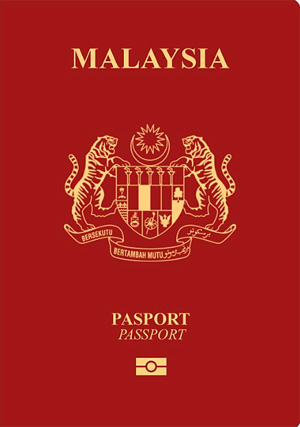
The Malaysian passport features a distinctive red cover bearing the Malaysian coat of arms and the words “Malaysia” and “Passport” in both Malay and English.

Inside the passport, the pages include illustrations that highlight Malaysia’s cultural heritage, natural landscapes, and national identity. The biodata page contains the holder’s personal information, photograph, passport number, and machine-readable zone.

Biometric Technology

Malaysia was an early pioneer in biometric passport technology. The Malaysian e-passport contains an embedded microchip that securely stores key personal and biometric information of the holder.

The chip typically contains:

  • Digital facial photograph
  • Personal identification information
  • Biometric identifiers

This technology strengthens identity verification at border checkpoints and supports automated immigration clearance systems.

Security Measures

To prevent forgery and unauthorized alteration, Malaysian passports incorporate several advanced security features, including:

  • Polycarbonate biodata page with laser engraving
  • Holographic security elements
  • Ultraviolet security markings
  • Microtext printing
  • Anti-tampering printing techniques

These features allow immigration authorities to verify the authenticity of the passport quickly and reliably.

Types of Malaysian Passports

Malaysia issues several types of passports depending on the purpose of travel and the status of the holder.

  • Ordinary Passport – Issued to Malaysian citizens for personal travel such as tourism, education, employment, and business trips abroad.
  • Diplomatic Passport – Issued to Malaysian diplomats and senior government officials representing Malaysia on diplomatic missions overseas.
  • Official Passport – Issued to government officials travelling abroad on official assignments.
  • Restricted Passport (Historical Use) – In the past, Malaysia also issued restricted passports for travel to certain neighbouring countries; however, this practice has largely been phased out as travel requirements evolved.

When One May Apply for a Passport

Malaysian citizens may apply for a passport in several situations, including:

  • First-time passport application
  • Passport expiration or near expiry
  • Passport pages fully used
  • Passport lost, stolen, or damaged
  • Replacement due to changes in personal information

Applications may be submitted through immigration offices in Malaysia or Malaysian diplomatic missions abroad.

Application Process

Applying Within Malaysia

Applicants residing in Malaysia may apply for a passport through the Immigration Department’s passport offices or through the department’s online renewal system known as MyOnline Passport.

The process generally includes completing the application form, submitting the required identification documents, and providing biometric data such as fingerprints and photographs.

Applicants Residing Overseas

Malaysian citizens living abroad may apply for passport services through Malaysian embassies, high commissions, or consulates in their country of residence. These missions coordinate the application process with the Immigration Department of Malaysia.

Required Documents

Applicants usually need to prepare the following documents:

  • Malaysian identity card (MyKad)
  • Previous passport (for renewal)
  • Birth certificate or citizenship documents if required
  • Supporting documents if personal information has changed

Additional documentation may be required depending on the applicant’s circumstances.

Processing Time

Processing time varies depending on where the application is submitted.

Within Malaysia

  • Passport applications are typically processed within one hour to one day at immigration offices, depending on demand and verification requirements.

Overseas Applications

  • Applications submitted through Malaysian diplomatic missions abroad may take several weeks, depending on the transmission and verification of documents.

Applicants are informed when their passport is ready for collection.

Responsibilities of Passport Holders

Malaysian passport holders are responsible for safeguarding their passports and ensuring that the document is used only for lawful travel purposes. If a passport is lost or damaged, the holder should report the incident immediately to the nearest immigration office or Malaysian diplomatic mission.

Repeated loss of passports may lead to additional scrutiny when applying for replacement documents. Any misuse, alteration, or falsification of a passport is considered a serious offence under Malaysian law and may result in legal penalties.

A Modern National Travel Document

Over the decades, the Malaysian passport has developed from a simple travel document into a secure biometric identification instrument. From its early post-independence form to the introduction of biometric technology, the passport has continued to evolve in response to the growing demands of international travel and identity protection.

Today, the Malaysian passport incorporates advanced security features and biometric systems that support efficient immigration procedures while safeguarding the identity of its holders. Its design and technological framework reflect Malaysia’s early leadership in biometric passport innovation.

For Malaysian citizens, the passport represents more than a document used for international travel. It also serves as a practical symbol of citizenship and national identity, linking Malaysians to their country wherever they may travel in the world.

↑ Top